Precision Balls · Steel Balls · One-Stop Sphere Solutions
info@sdballs.usWhatsApp +1 424 351 5470
EN
EN
REQUEST A QUOTE
MENU
HomeAbout Us
ProductsView Products
ApplicationsQualitySteel Shot & BBsContact
EN
WhatsAppREQUEST A QUOTE

LIGHTWEIGHT CHEMICAL-RESISTANT PLASTIC

Polypropylene Balls (PP Balls)

Low-density, corrosion-free plastic balls for float valves, check valves, level control, flow meters and chemical-handling systems.

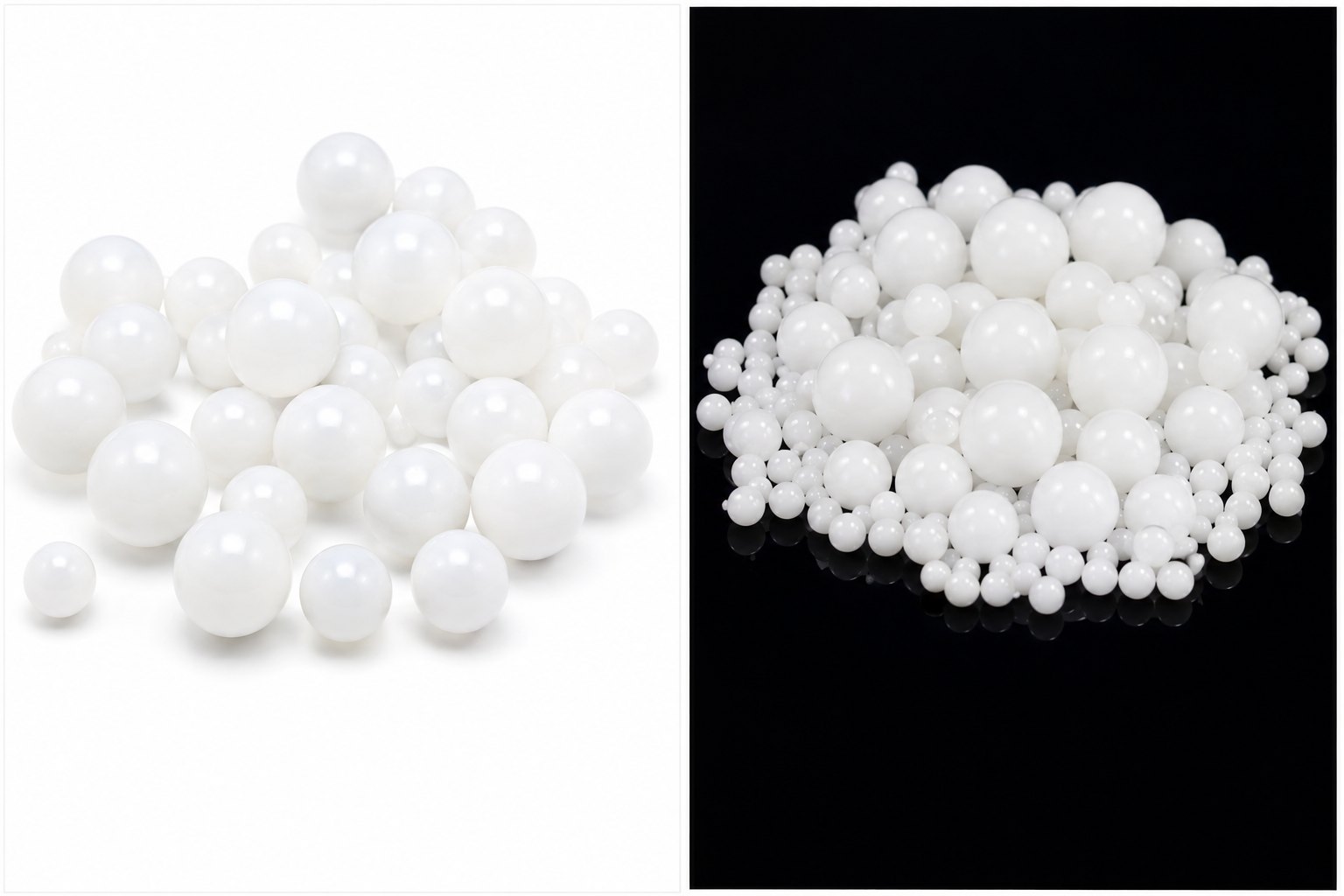
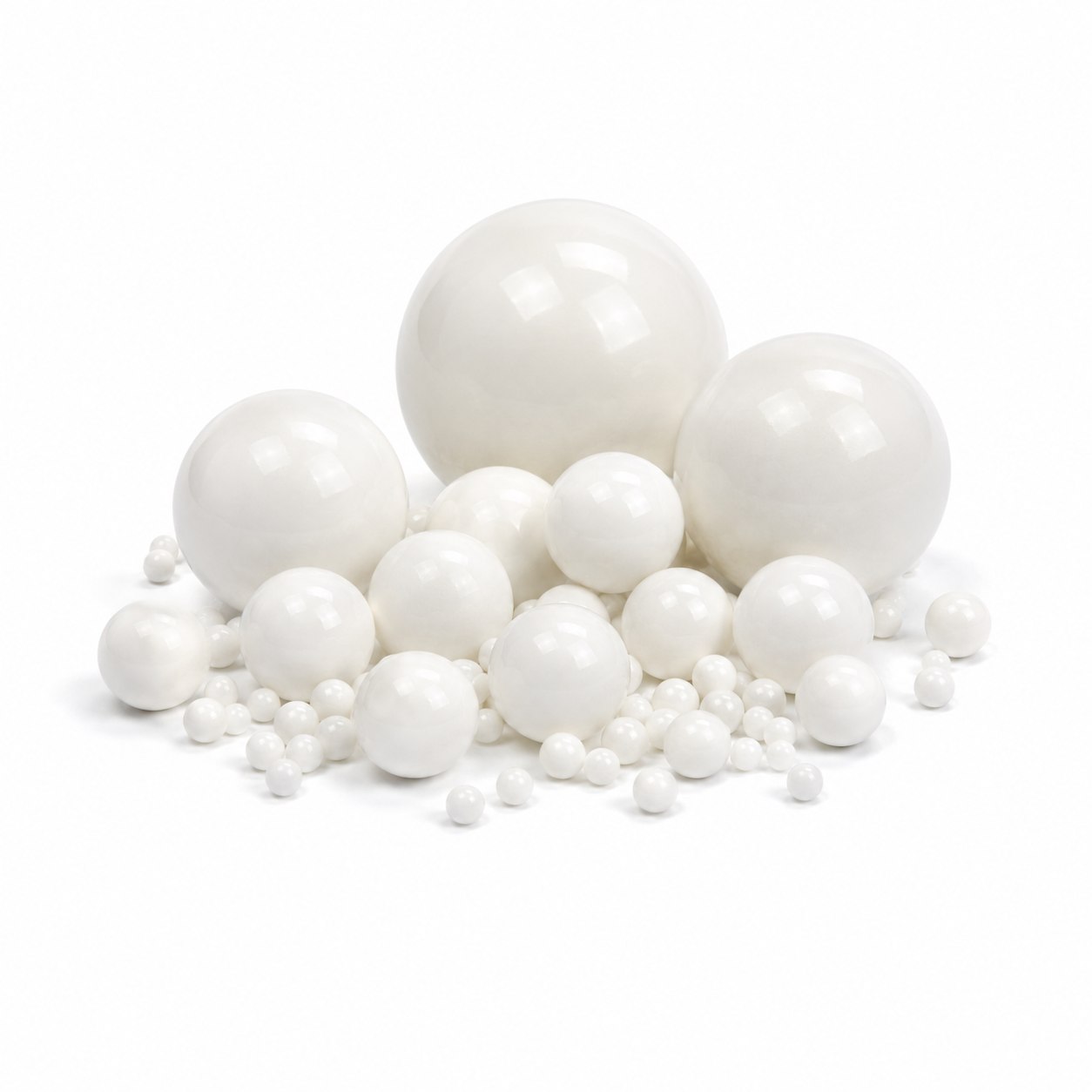
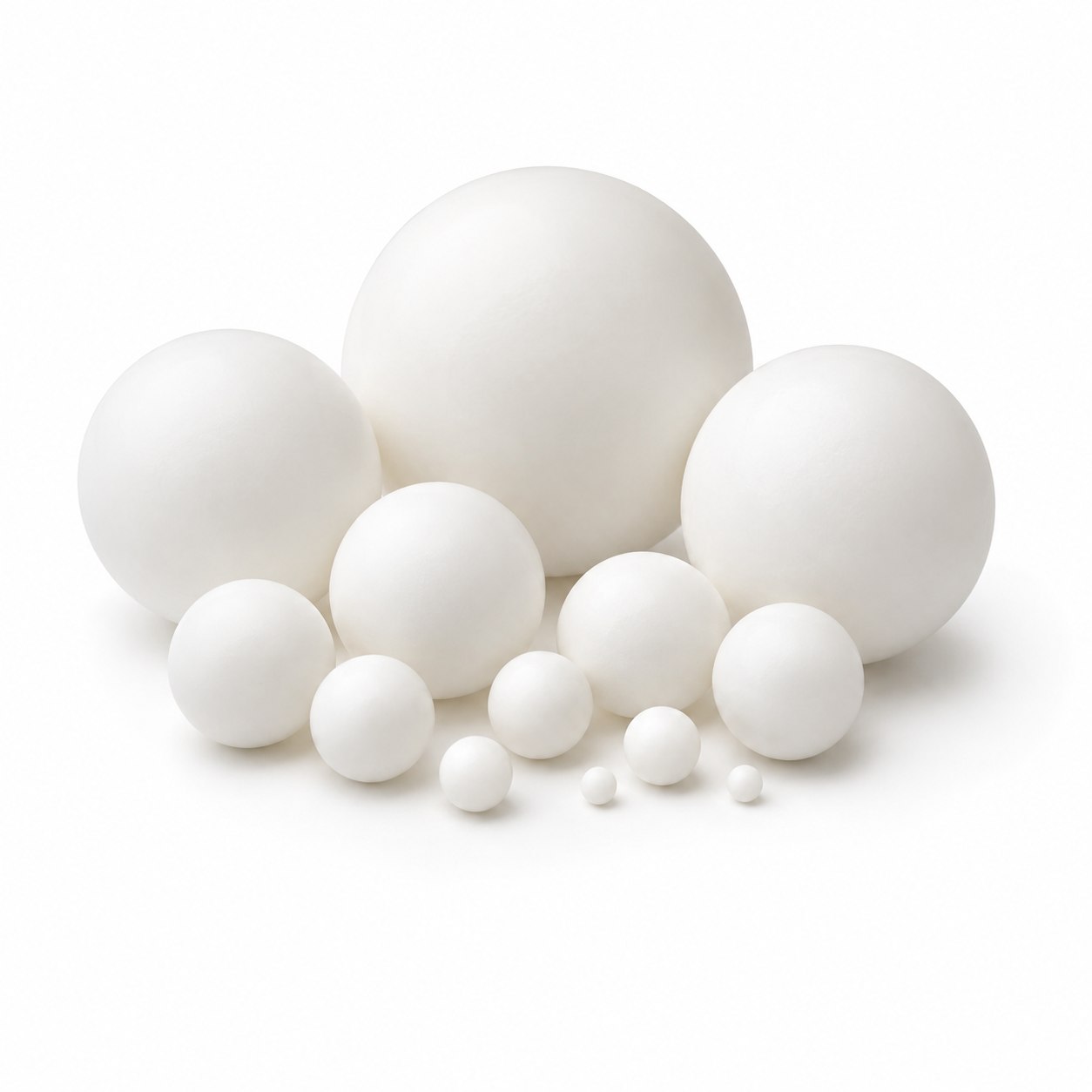
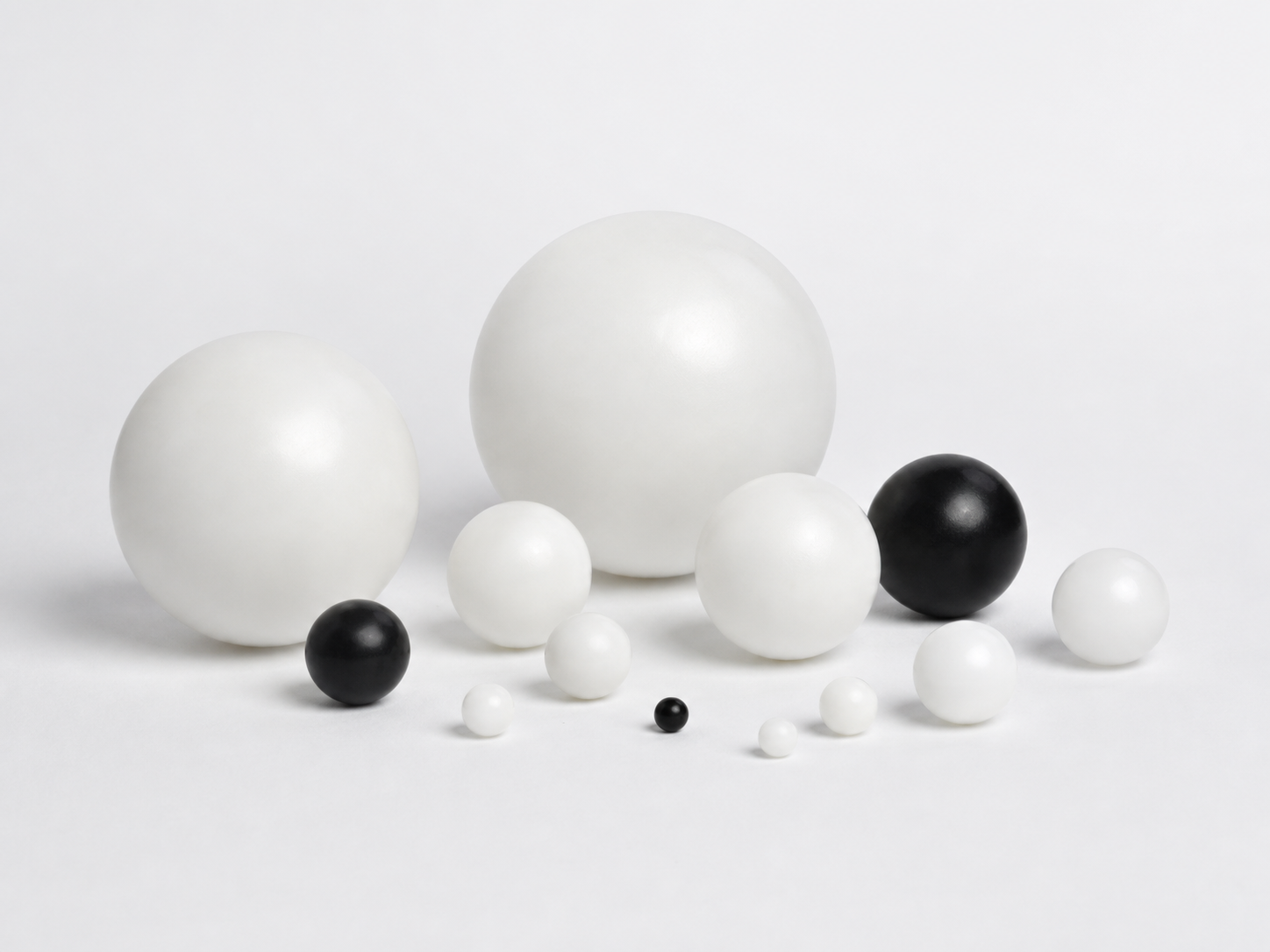
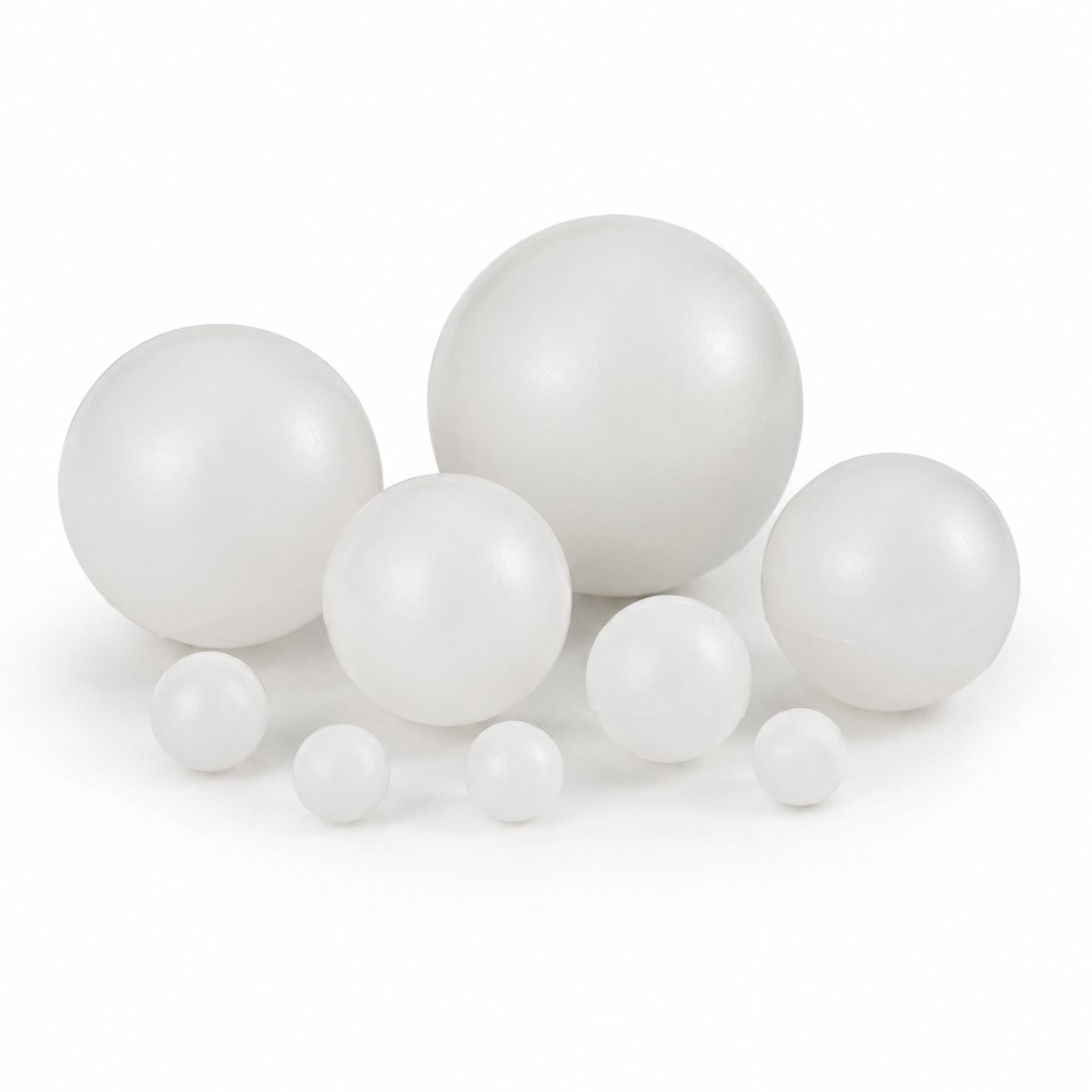
Polypropylene PP balls for floats check valves pumps and chemical-handling equipment
PRODUCT REFERENCE / FINAL SPECIFICATION BY QUOTATION

PRODUCT OVERVIEW

What are polypropylene balls?

Polypropylene balls, also called PP balls, are lightweight engineering-plastic spheres used where buoyancy, chemical resistance, electrical insulation and corrosion-free movement matter more than high load capacity.

Because PP has a density below water, it is particularly useful in float valves, level indicators and liquid-control systems. Grade, additives, color, temperature and chemical compatibility should be confirmed for each project.

TECHNICAL SPECIFICATIONS

Start with measurable requirements.

Values below are product-family references. The quotation, drawing, agreed standard and inspection plan control the final supply specification.

Technical itemReference specification
MaterialPolypropylene / PP, formulation by agreement
Diameter Range1.5–160 mm; custom sizes subject to confirmation
Precision GradeGrade I / II / III for application fit
ToleranceControlled by the agreed precision grade, drawing or purchase specification
HardnessShore D 70–80 reference range
DensityApprox. 0.87–0.90 g/cm³; typically floats in water
Surface FinishApplication-specific finish and visual limits by agreement
Roundness / SphericityControlled according to the agreed precision grade and inspection method
Temperature ResistanceApprox. −30°C to +110°C, grade and application dependent
Chemical ResistanceGood resistance to many acids, alkalis, alcohols and oils; verify exact medium
PackagingBulk, small-quantity, container, bag, carton, export pallet or customized packing
Tensile strengthApprox. 40–50 MPa reference
MagnetismNon-magnetic
Electrical behaviorGood electrical insulation

PRODUCT SELECTION GUIDANCE

Compare materials before substituting.

Material selection affects load, wear, corrosion, temperature, precision, service life and total program cost.

Material optionPrimary advantageLimitationBest fit
Polypropylene / PPVery light, chemical resistant and cost effectiveLower stiffness, load and temperature capabilityFloats, valves, level control and packaging
HDPETough, very low water absorption and excellent buoyancyLower temperature and stiffness in many gradesFloating covers, water treatment and tanks
POM / acetalHigher stiffness, precision and wear performanceHigher density and different chemical limitsLight bearings, flow meters and mechanisms
PTFEWider chemical and temperature resistance with very low frictionSofter and higher costAggressive media and specialty sealing

KEY PERFORMANCE FEATURES

Performance that purchasing teams can verify.

01

Floats in water

Low specific gravity supports buoyancy-based valves, indicators and liquid-surface applications.

02

Chemical & corrosion resistance

A practical non-metallic choice for many water and chemical-handling environments.

03

Electrical insulation

Non-magnetic, insulating performance supports instruments and specialized devices.

04

Cost-efficient customization

Color, size, UV stabilization, packing and OEM requirements can be reviewed for production programs.

TYPICAL APPLICATIONS

Specify the work the ball must perform.

Application names are starting points—not approval of universal suitability. Share the real medium, load, speed, pressure, temperature, life target and compliance needs.

Float valves & level control

Buoyant elements for tanks, indicators, switches and liquid-management assemblies.

Check valves & flow meters

Lightweight moving components for compatible media, pressures and seat designs.

Chemical handling

Corrosion-free components for selected acids, alkalis, oils and process fluids.

Laboratory & medical equipment

Non-metallic components where material, cleanliness and documentation are specifically approved.

Typical applications for Polypropylene Balls (PP Balls)
REPRESENTATIVE APPLICATION ENVIRONMENTS

QUALITY & DOCUMENTATION

Build the evidence into the purchase order.

Document requirements should be defined before quotation so the inspection method, sampling level, traceability and external testing can be planned correctly.

  • Material verification against the agreed grade or material specification
  • Dimension inspection for diameter and agreed tolerance
  • Hardness testing when applicable to the selected material
  • Surface finish inspection against the agreed visual or roughness requirement
  • Roundness / sphericity inspection for the specified precision level
  • Batch traceability through lot identification and controlled records
  • Material certificates available when agreed before quotation
  • Inspection reports, compliance documents and third-party testing by agreement

PACKAGING OPTIONS

Protect precision through delivery.

Final packing depends on material, diameter, surface sensitivity, order weight, storage time and destination.

01

Small sealed bags

Samples and size-separated quantities with clear lot identification.

02

Carton packing

Regular export orders with protective inner liners.

03

Pails, drums or bulk bags

Industrial-volume packing selected by ball size and order weight.

04

OEM packing

Custom counts, color labels, private labels and pallet requirements by agreement.

Supported formats: bulk packaging · small-quantity packaging · plastic containers · bags · cartons · export pallets · customized packaging.

SMALL QUANTITY & SAMPLE ORDERS

Validate before you scale.

SDBALLS Industry Corp. supports North American customers with sample quantities, prototype requirements, testing programs and specialty ball inquiries.

Samples and small quantities are available for buoyancy, chemical compatibility and assembly trials. Provide the diameter, grade, color, fluid, temperature, pressure, quantity and any UV or documentation requirements.

PrototypeTestingRepairR&DSmall batch production

PRODUCT FAQ

Answers for engineering and purchasing teams.

Do polypropylene balls float in water?

Yes. Typical PP density is about 0.87–0.90 g/cm³, so the balls generally float in water. Actual buoyancy depends on the formulation and liquid density.

What sizes are available?

The reference range is 1.5–160 mm, with availability depending on grade, color, quantity and production method.

Are PP balls suitable for bearings?

They suit light-load, low-speed mechanisms but are not substitutes for high-load precision bearing balls.

Which chemicals are compatible with PP?

PP resists many acids, alkalis, alcohols, oils and inorganic substances. Strong oxidizers, halogens, aromatic hydrocarbons and hot chemicals require specific review.

Can color or UV stabilization be customized?

Yes, subject to resin formulation, production quantity, color approval and application requirements.

Can I buy samples or a small order?

Yes. SDBALLS supports sample evaluation and small orders where available; custom colors or production sizes may require a minimum quantity.

CONTACT SDBALLS U.S.

Bring us the application and requirement.

Include product, material, size or shot size, grade, hardness, finish, quantity, packaging, application and required documentation for a faster quotation.

SDBALLS Industry Corp.Email: info@sdballs.usWhatsApp: +1 424 351 5470Website: www.sdballs.usNorth American Business Support
WAWhatsApp