Cost-Effective Stainless Choice
Reduced nickel content helps control material cost for suitable high-volume programs.

COST-EFFECTIVE AUSTENITIC STAINLESS STEEL
AISI 201 stainless steel balls provide an economical stainless solution for applications requiring a polished surface, useful mechanical properties and moderate corrosion resistance without the higher alloy cost of AISI 304 or 316.
As a chromium-manganese austenitic stainless steel with reduced nickel content, AISI 201 is widely selected for hardware components, household appliances, furniture fittings, casters, decorative products, switches, light-duty mechanisms and other general industrial applications.
SDBALLS supplies precision AISI 201 stainless steel balls in metric and inch sizes with controlled diameter, roundness and surface finish for OEM, distributor and volume purchasing programs.
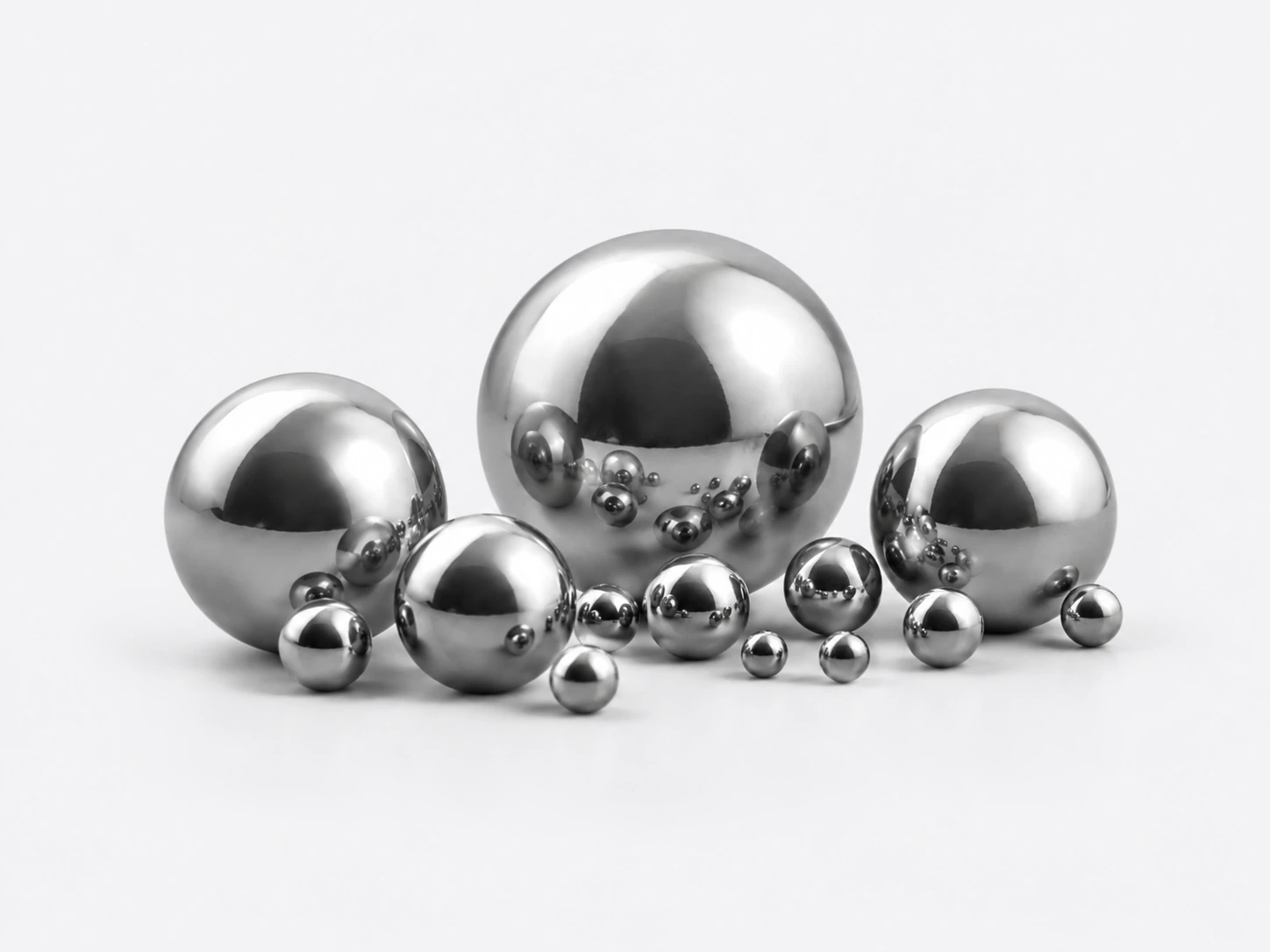
Reduced nickel content helps control material cost for suitable high-volume programs.
Ground and polished finishes support visible hardware, furniture and decorative components.
Useful mechanical properties and moderate corrosion resistance for controlled service environments.
Metric and inch sizes, multiple grades, finishes and packaging formats can be reviewed by specification.
PRODUCT OVERVIEW
AISI 201 is a chromium-manganese austenitic stainless steel that uses manganese and nitrogen to replace part of the nickel content found in conventional chromium-nickel stainless grades. This chemistry can deliver an attractive polished surface and useful strength while helping manage alloy cost.
The material is best positioned for general industrial, hardware and visible-component applications where moderate corrosion resistance is sufficient. Final selection must still consider load, environment, cleaning media, temperature, ball diameter, grade and expected service life.
TECHNICAL SPECIFICATIONS
Values shown are sourcing and engineering references. Final capability is confirmed against the order specification, production route and approved documentation.
CHEMICAL COMPOSITION REFERENCE
Actual chemistry is governed by the applicable material standard and the material certificate supplied for the approved order.
Reference values are not a substitute for a batch-specific material certificate. Request certificate requirements at the RFQ stage.
TYPICAL APPLICATIONS
AISI 201 is commonly evaluated for high-volume applications where polished appearance, useful mechanical properties and moderate corrosion resistance align with the operating conditions.
Furniture fittings, drawer slides, cabinet hardware, casters and general hardware mechanisms.
Appliance components, switch mechanisms, consumer hardware and light-duty rolling mechanisms used in controlled environments.
Luggage components, wheels, casters and rolling hardware selected around load, size and surface requirements.
Decorative hardware, crafts, lighting components and other visible polished components.
Positioning balls and mechanical interfaces used in plastic-product mechanisms and die-cast assemblies.
Light-duty mechanisms, low-corrosion assemblies and cost-sensitive OEM components where the approved specification matches service conditions.
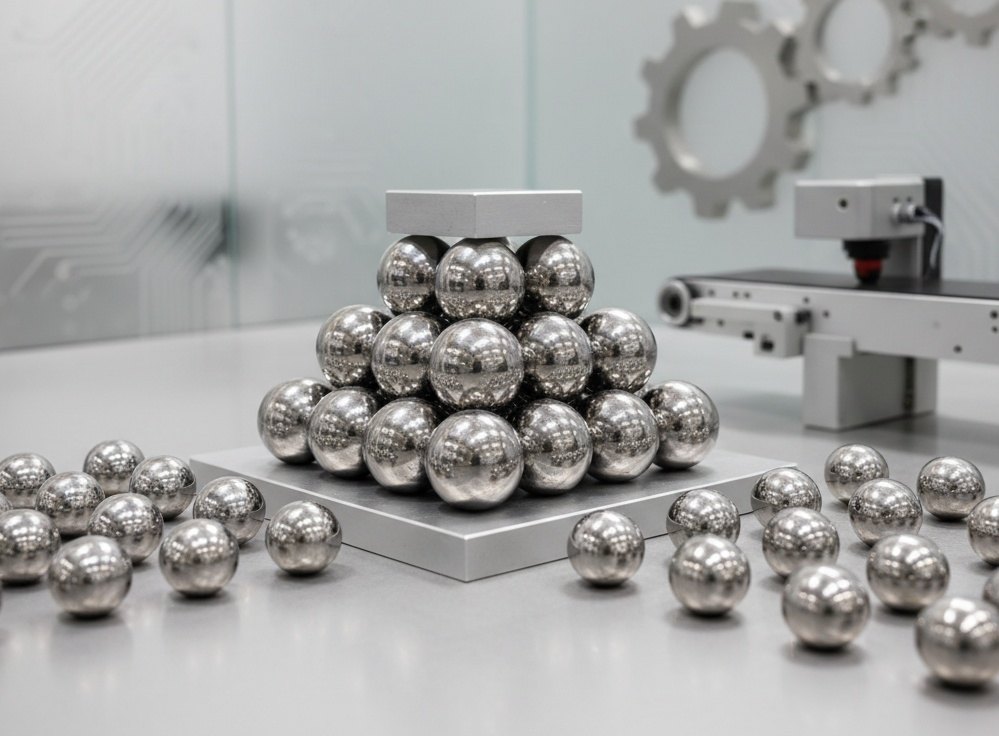
STAINLESS STEEL GRADE COMPARISON
Use the operating environment—not price alone—to select the stainless grade.
ENGINEERING BOUNDARIES
AISI 201 is not generally the preferred material for marine exposure, aggressive chemicals, high-chloride environments, or food and medical uses unless the complete material, compliance and service requirements have been independently validated.
Austenitic stainless steels may show low magnetic response in the solution-treated condition, but cold working during ball production can increase magnetism. Specify a measurable magnetic requirement when it matters to the assembly.
QUALITY & INSPECTION
Available documentation and inspection scope follow SDBALLS capability and the requirements confirmed during quotation.
PACKAGING OPTIONS
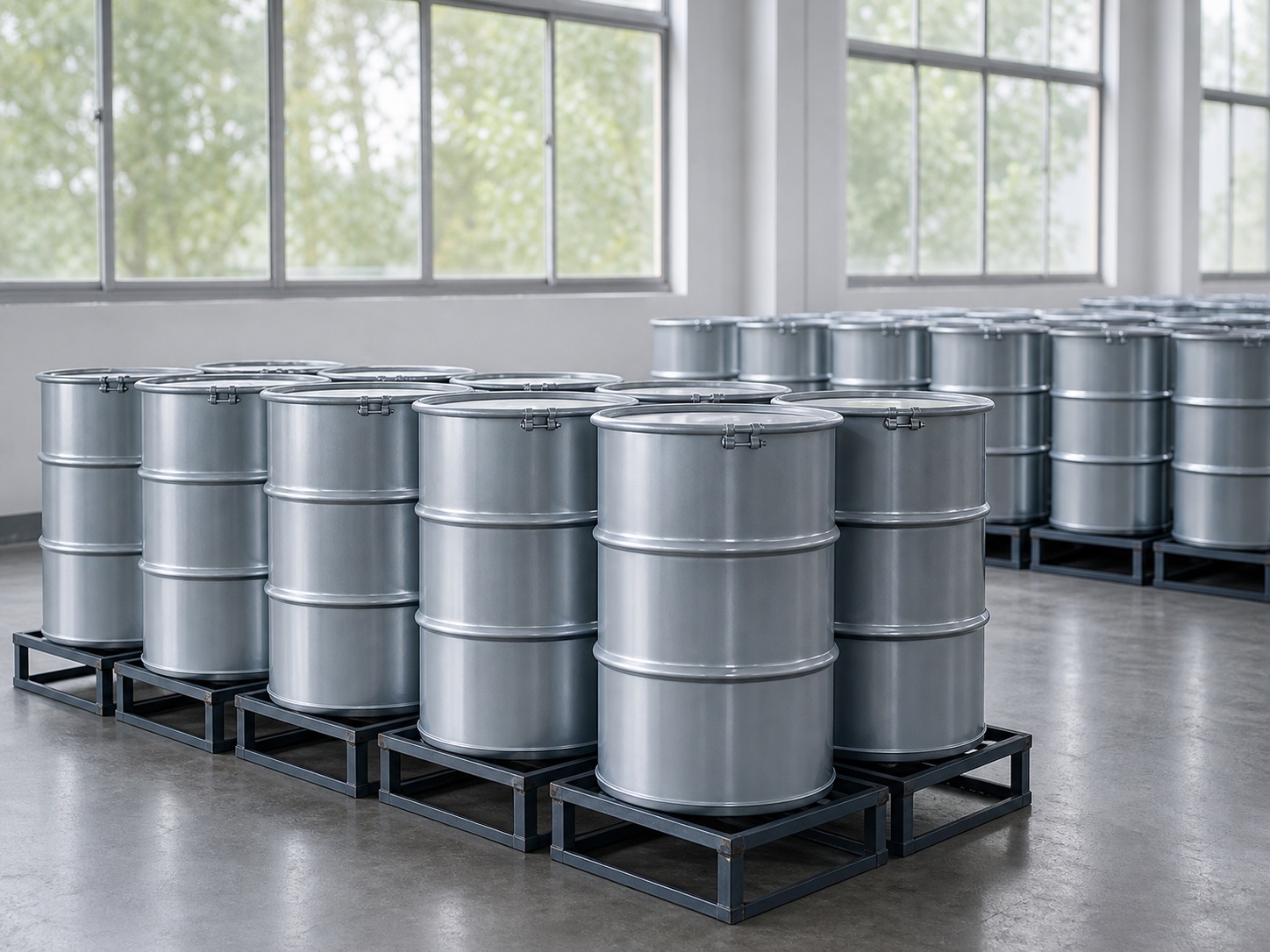
Precision bags, plastic containers, cartons, pails, steel drums, palletized export packaging and customized OEM formats can be reviewed for volume or smaller industrial orders. Final packing depends on ball diameter, surface protection, order quantity, handling method and shipping destination.
BUYER RFQ GUIDE
Clear measurable requirements help engineering and procurement teams compare the correct material and production route.
AISI 201 STAINLESS STEEL BALL FAQ
They are solid precision balls made from a chromium-manganese austenitic stainless steel with reduced nickel content, commonly selected for economical general industrial and hardware applications.
AISI 201 is generally more economical and offers useful mechanical properties, while AISI 304 normally provides better overall corrosion resistance. Selection should reflect the actual environment and approved specification.
Magnetic response can vary. Although AISI 201 is an austenitic stainless grade, cold working during ball production may increase magnetic response. Define measurable acceptance criteria when magnetism matters.
They provide moderate corrosion resistance in suitable indoor and mildly exposed environments, but are not a substitute for AISI 304 or 316 in more corrosive service.
Outdoor use should be evaluated against moisture, chlorides, cleaning chemicals and expected service life. AISI 304, 316/316L or another validated grade may be preferable for sustained exposure.
SDBALLS supports diameters from approximately 1.0 to 50.8 mm, subject to grade, finish and production review.
Typical programs include G100, G200, G500 and G1000. Final grade and diameter tolerance must be confirmed against the approved drawing or RFQ.
Yes. Metric and inch sizes can be reviewed; provide the exact nominal diameter, tolerance and quantity in the inquiry.
Ground, polished and high-gloss finishes can be reviewed according to appearance, surface condition and application requirements.
AISI 201 is generally not the first choice for seawater or high-chloride service. Evaluate AISI 316/316L or another corrosion-resistant material for those environments.
Sample, prototype and smaller industrial quantities can be reviewed according to available size, grade, finish and production route.
Yes. Precision bags, plastic containers, cartons, pails, steel drums, export pallets and OEM packaging can be reviewed without implying a fixed pack quantity.